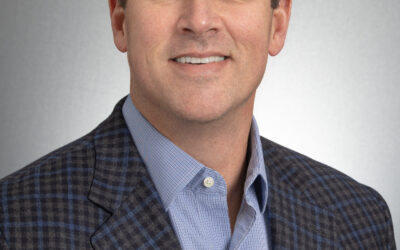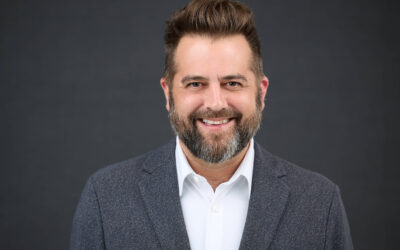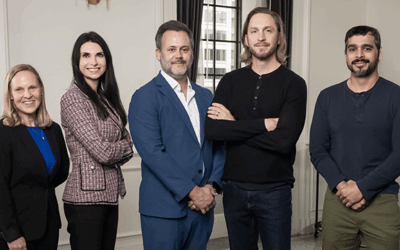
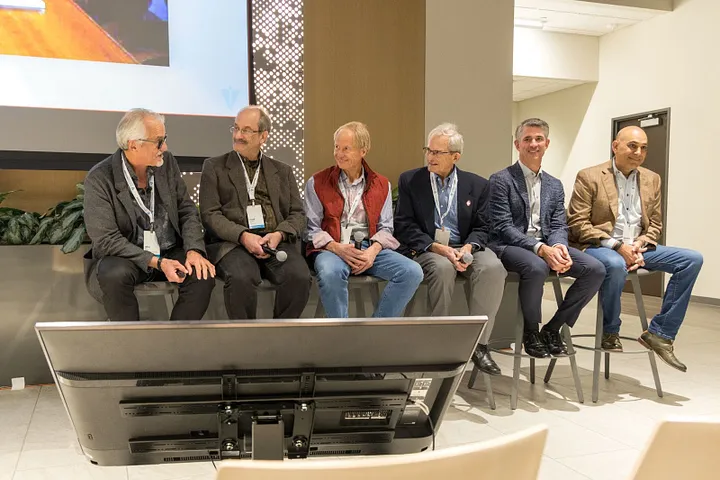
Pictured above: Panel discussion with John Neis, Lloyd Smith, Lance Fors, James Dahlberg, Kevin Conroy, and Maneesh Arora at Exact Sciences on Dec 2, 2024.
Three decades ago, Clarevia (VI) made a bold move by backing Third Wave Technologies, a then-early-stage biotech company that went on to transform molecular diagnostics. The company developed groundbreaking DNA and RNA-based detection technologies, which played a crucial role in improving the early detection of diseases, particularly in infectious diseases and oncology. Their innovations helped set new standards in diagnostic accuracy, speed, and accessibility, ultimately shaping the broader field of personalized medicine.
In 2008, Third Wave Technologies was acquired by Hologic, Inc. for $580 million, cementing its legacy as a transformative force in the biotech industry. The acquisition expanded Hologic’s diagnostic portfolio and reinforced the value of molecular testing in clinical settings.
To commemorate this milestone, we hosted a panel discussion moderated by John Neis of VI with key players from Third Wave’s journey, including Lance Fors, (Co-founder and CEO), Jim Dahlberg (Co-founder), Kevin Conroy (CEO and President), and Maneesh Arora (CFO). The discussion explored the impact of that investment, the challenges faced along the way, and how the lessons learned continue to shape healthcare innovation today.
Here are some of the top takeaways from the discussion:
Early Investments Shape the Future
Betting on early-stage biotech startups requires conviction and patience. Third Wave’s success underscores the value of backing strong scientific teams with a long-term vision. The journey wasn’t easy — the regulatory landscape was complex, and proving the clinical utility of new diagnostic approaches required significant time and effort. However, the founding team’s deep technical expertise, ability to pivot strategically, and strong intellectual property portfolio were clear indicators of potential success.
One pivotal moment came when John Neis recalled an early misconception: “I’ve had casual observers sometimes come up to me and go, ‘Ah, that one was easy, that one was obvious.’ But it was more like a rollercoaster ride. It’s not random or luck, but continuous adaptation to the circumstances then prevailing. It was a wild ride for us. We never left the tracks, and I feel very fortunate.”
Midwest VCs Play a Critical Role
The Midwest, and Wisconsin in particular, has emerged as a thriving hub for biotech innovation. With world-class institutions like the University of Wisconsin-Madison (UW) and companies like GE Healthcare, Exact Sciences, and Epic, the region is proving that groundbreaking science and entrepreneurship can flourish outside traditional coastal hubs. Panelists highlighted success stories like Exact Sciences and Elephas, which leveraged local talent and resources to thrive. The region’s capital-efficient and collaborative investor ecosystems have made it a breeding ground for more groundbreaking biotech startups.
Lance Fors shared a defining example: “Wisconsin was called the flyover state. That meant venture capitalists couldn’t come to a board meeting, fly in in the morning, have the board meeting, fly out in the afternoon, and get home and go to bed. If they couldn’t do that, they couldn’t do the deal here. That made it hard, but also forced us to build a strong foundation with local investors.
The Wisconsin Alumni Research Foundation (WARF) played a pivotal role in the origins of Third Wave Technologies by enabling university research to transition into commercialization. Third Wave was the first entrepreneurial spin-out from University of Wisconsin-Madison to receive a license from WARF for equity in lieu of an up-front licensing fee, paving the way for the spinouts that followed. WARF’s approach to technology transfer has helped turn groundbreaking discoveries into market-ready innovations, fostering a strong biotech ecosystem in the Midwest.
For today’s early-stage biotech companies, access to affordable lab space is often a make-or-break factor. Madison’s Forward BIOLABS, led by Jessica Martin Eckerly, has been instrumental in providing co-working lab spaces that allow startups to focus on innovation without the burden of high overhead costs.
Forward BIOLABS is where Elephas, founded by Maneesh Arora, got their start before they graduated to a full facility of their own. This model not only nurtures young companies but also fosters a collaborative environment where entrepreneurs can share ideas and resources.
The Science is Just the Start
Breakthrough technology is crucial, but commercialization, regulatory strategy, and execution ultimately determine success. The panel pointed to Third Wave’s journey through FDA approval as a pivotal moment. While the science behind their molecular diagnostics was strong, it took years of rigorous clinical validation and persistence in navigating the regulatory landscape before reaching widespread adoption. This mirrors the challenges faced by today’s biotech startups in getting from lab discovery to real-world impact.
Lance Fors described a critical challenge: “As John said, [30 years ago] there were under 400 venture capital firms, and I reached out to every one. So I heard no 95% of the time. And then when I got the preliminary phone call, I heard no again, 99% of the time. So basically, I needed to buy time, and grants were an ideal way to do that, because we could write grants that were structured on the long research path. The discovery was fundamental, but it was basic biology, which takes years, sometimes decades, to get from basic biology through research, through product development, and then to move on to FDA clinical trials and products that could ultimately be worth a lot of money.”
The Culture Made All the Difference
While business strategy and execution were critical to Third Wave’s success, the true foundation of the company was its scientists (including Marilyn Olson, Hattim Allawi, Victor Lyamichev, Jorge Garces). Kevin Conroy highlighted the dedication of the research team, recalling: “The real gem of Third Wave were the scientists. We had a tiny team running a massive clinical trial. Marilyn’s team had eight or nine scientists — all women — who had 12 children during the course of that program. They kept coming into the lab and working tirelessly to make the test work in time for FDA approval.”
Their commitment was a defining factor in the company’s ability to meet critical milestones. The culture of persistence, innovation, and collaboration made all the difference.
Conroy emphasized: “Madison is an incredible place to build a company because of the high-quality scientists, the incredible supportive community, and the fact that the people are different. It’s hard to beat the R&D team into the parking lot in the morning — there’s always cars here, no matter how early you get here. They leave late, and they never give up.”
Lessons for Today’s Founders
Find the Right Investors. Capital is important, but it’s just one part of the equation. The panelists emphasized that investors who believe in the long-term vision and provide steady support through the ups and downs are invaluable. John Neis and the VI team backed Third Wave when biotech capital was scarce, helping to establish a foundation for the company’s future growth.
Resilience is Key. Every startup faces setbacks. Whether it’s unexpected regulatory delays, market shifts, or technical hurdles, the companies that succeed are the ones that adapt and persevere. Kevin Conroy illustrated this by recounting: “You raise money when people think you don’t need it, because you’re never left in a position where people can dictate terms to you if you have a strong balance sheet. Never go below two years of cash on the balance sheet.”
Build a Strong Network. Founders should cultivate relationships with key stakeholders early — scientists, regulators, potential customers, and fellow entrepreneurs. Third Wave’s network played a crucial role in shaping its commercialization path. Kevin Conroy emphasized: “People are the biggest risk factor, and if you can eliminate that risk by working with people that you have experience with, it really can make a difference.”
The Future of Biotech: Building on a Strong Foundation
As we celebrate the 30th anniversary of our investment in Third Wave Technologies, we recognize that while the landscape has evolved, the core principles of biotech success remain unchanged: scientific innovation, relentless execution, and the ability to navigate regulatory and market complexities.
While the fundamentals of investing in biotech still hold true — great science, great teams, and patient capital — the tools available to founders and investors have changed dramatically. AI-driven drug discovery, advanced data analytics, and emerging innovations are reshaping how we evaluate and support startups.
Clarevia remains committed to identifying, funding, and shaping the next wave of transformative healthcare companies — and we continue to seek out visionary founders who are pushing the boundaries of what’s possible in biotech.
What’s next for the future of biotech investing? Join the conversation by following us on LinkedIn, subscribing to our newsletter, or reaching out to learn more about our portfolio and investment philosophy. Cheers to the next 30 years!